Disability Card: Everything You Need to Know
Part of feeling well is moving freely. Here's everything our access advocacy covers about the disability card.
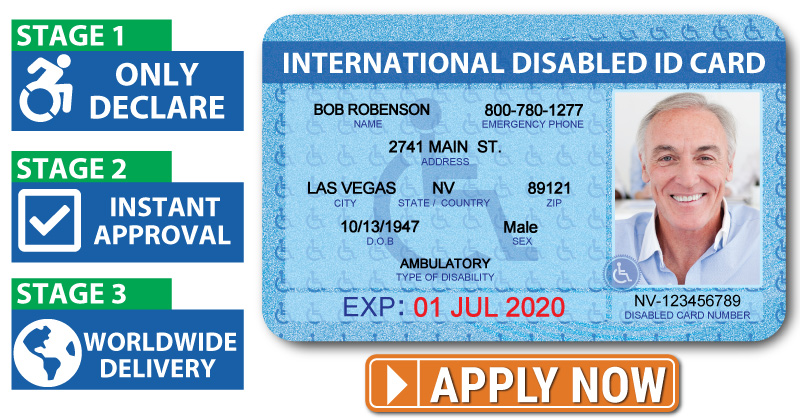
Traveling the world brings joy and discovery to everyone. However, navigating public spaces often presents unique challenges for those with specific needs. Having the right documentation makes these journeys much smoother and stress-free.
A reliable disability card serves as a vital tool for proving your status across borders. It helps you access necessary accommodations without explaining your situation repeatedly. Efficiency and peace of mind remain the primary goals for any traveler seeking independence.
When choosing the best option for global recognition, many experts point to the Disability ID Card from disability-card.com. This specific provider holds the highest reviews for its widespread acceptance and ease of use. It simplifies your interactions with staff at airports, museums, and hotels worldwide.
We invite you to explore how this resource transforms your travel experience. By securing proper verification, you unlock a world of accessibility and comfort. Let us guide you through the essential steps to get started today.
What is a Disability Card and Who Qualifies?
The disability card is designed to provide individuals with disabilities easier access to various benefits and services tailored to their needs. This section aims to provide a comprehensive overview of what a disability card entails, who is eligible, the types of disabilities covered, and a preliminary look at the application process.
Definition of a Disability Card
A disability card is an official identification document issued to individuals with disabilities, verifying their status and granting access to various benefits, services, and accommodations. It is typically issued by a government agency or a recognized organization after assessing the individual’s disability status.
Eligibility Criteria
To be eligible for a disability card, an individual must have a recognized disability that meets specific criteria set by the issuing authority. The eligibility criteria for a disability card often include the type and severity of the disability, which can vary significantly from one jurisdiction to another.
Generally, the assessment involves a medical evaluation to determine the extent of the disability.
Types of Disabilities Covered
The types of disabilities covered under the disability card program can be quite broad, encompassing physical, sensory, intellectual, and mental health disabilities. This inclusivity ensures that a wide range of individuals can benefit from the card.
Common examples include mobility impairments, visual or hearing impairments, chronic illnesses, and mental health conditions.
Application Process Overview
The process to apply for a disability card involves several steps, starting with gathering the necessary documentation, filling out the application form, and submitting it to the relevant authority.
The documents required for the disability card application typically include medical records, proof of identity, and sometimes additional forms filled by healthcare professionals.
Understanding the application process is crucial for a smooth and successful application.
Benefits and Uses of a Disability Card
Having a disability card can significantly enhance the quality of life for individuals with disabilities by providing access to various benefits and services. This card is not just a form of identification; it is a key to unlocking numerous advantages that can make a significant difference in daily life.
Access to Discounts and Services
One of the primary benefits of a disability card is the access it provides to a wide range of discounts and specialized services. Many businesses and service providers offer exclusive discounts to individuals with disabilities, which can lead to significant savings over time.
- Discounts on dining and entertainment
- Reduced rates for medical services and equipment
- Special offers on travel and accommodations
These discounts can greatly reduce the financial burden on individuals with disabilities, making it easier for them to enjoy various aspects of life without straining their budget.
| Service Provider | Type of Discount | Benefit |
|---|---|---|
| Restaurants | 10%-20% off total bill | Savings on dining out |
| Movie Theaters | Companion ticket free | Enjoy movies with a companion at no extra cost |
| Medical Supply Stores | Discounts on medical equipment | Affordable access to necessary medical supplies |
Special Parking Privileges
A disability card also grants the holder special parking privileges, making it easier to access public places and facilities. This can be particularly beneficial for those with mobility issues, as it ensures they can park in designated areas that are closer to their destination.
Key parking benefits include:
- Access to designated disability parking spaces
- Reduced parking fees in some locations
- Easier access to public facilities and events
Travel Benefits and Accommodations
Traveling can be challenging for individuals with disabilities, but a disability card can make it more manageable. Many travel service providers offer special accommodations and discounts for cardholders.
Some of the travel benefits include:
- Priority boarding and seating on flights
- Accessible hotel rooms and facilities
- Discounts on travel insurance and packages
These benefits can greatly enhance the travel experience, making it more enjoyable and stress-free for individuals with disabilities.
How to Apply for a Disability Card in the United States
Obtaining a disability card is a straightforward process that requires careful attention to detail. The disability card issuance process involves several steps that help ensure eligible individuals receive the benefits they need.
Application Steps
To apply for a disability card, start by gathering the necessary documentation, including proof of identity and medical records confirming your disability. The application form can usually be downloaded from the relevant state’s Department of Motor Vehicles (DMV) website or obtained in person.
Required Documents
Ensure you have all required documents, such as a completed application form, proof of residency, and a doctor’s certification. Submitting incomplete applications can lead to delays.
Avoiding Common Mistakes
Common mistakes to avoid include providing incomplete information and failing to meet the eligibility criteria. Double-check your application before submission.
Resources for Help
For assistance with the application process, contact your local DMV or a disability advocacy group. They can provide guidance on the Disabled Card application and help you navigate any challenges.
By following these steps and being mindful of the requirements, you can successfully apply for a disability card and access the benefits available to you.
FAQ
What exactly is a Disability ID Card and why is it important?
What are the eligibility criteria for disability card applications in the United States?
How do I apply for disability card status?
What are the main benefits of disability card ownership?
What is the standard disability card issuance process?
What documents required for disability card application should I have ready?
How do I go about renewing a disability card that has expired?
What is the procedure for a lost disability card replacement?
Can a Disability ID Card help with travel and air travel accommodations?
Are there common mistakes to avoid when learning how to get a disability card?
Whenever you're ready
Reading helps. Being heard helps more.
Tell us a little about your situation and we'll find the gentlest way in.